 Robust, Uniform, and Genetically Pure
At Indogrow, quality is always the outcome of deliberate, persistent, and smart work.
Mother Nature's priceless gift to humanity is the seed, and since man depends on it to survive, it is his responsibility to ensure its health. A farmer's entire harvest is dependent on the quality of their seed, which is the primary input in agriculture. As a result, planting high-quality seed is crucial. The term "seed quality" refers to a number of characteristics. It is the responsibility of QA team to precisely assesses and preserve quality of seed. True to type, good germination and vigor, physically and genetically pure, free from seed-borne diseases, and chemically treated are the key categories of quality qualities.
It's a really precise and sophisticated task. These characteristics are attributed to a lot of seeds rather than to a single seed.
A farmer's perception of quality is formed when he opens the pack, looks at a sample set spread out on his palms, and makes a judgment based on the size, shape, color, build, and uniformity of the seeds. The germination, sensitivity to cultivation methods, and even growth pattern seen in the fields all support this. The quality department works hard and uses the greatest technologies available to meet these criteria.
The quality assurance (QA) crew periodically audits production fields at different phases of seed production. When producing, processing, and storing seed, they adhere to standard operating procedures for testing, monitoring, and inspection. By continuously monitoring, testing, and customizing the manufacturing, processing, handling, storage, and treatment operations at pertinent and crucial points throughout the seed lot's lifecycle, the goal of supplying farmers with high-quality seed is accomplished. Deterioration of quality is prevented by auxiliary processes like drying and fumigation at predetermined intervals.
When producing seeds, farmers put up tremendous effort and deal with the unpredictability of natural obstacles. In the field, he handles every seed with the utmost care before giving it to the recipient. Indogrow recognizes the genuine worth of each and every seed produced, and its quality department makes sure that each seed is handled carefully and works to reduce seed waste.
Quality assurance guarantees that vital organizational resources, such as personnel, buildings, and infrastructure, are used as efficiently as possible and are shielded from unnecessary use. Every such action adds value and inspires pride in serving both the environment and people at the same time.
The QA team is prepared to upgrade and work toward implementing the newest and most practical technology in order to complete deliverables of the highest caliber. The goal of technology adoption is to maximize efficiency and accuracy in a short amount of time.
Indogrow's quality assurance department consistently works to improve the team's proficiency by training them in mistake proofing, skill development, and technological advancements. Because of a strict tolerance policy, these train employees into skilled professionals who produce seed of the highest caliber.
The International Seed Testing Association's (ISTA) standards and procedures are being followed in order to ascertain the authenticity of cultivars. Every test is conducted in accordance with ISTA guidelines.
 Quality Assurance and Control Functions
Genetic quality, physical quality, physiological quality, and health quality are the four categories into which seed quality is divided. The total quality of the seed is made up of all of these, both separately and in combination.
To produce a representative sample, the seed lots that arrive at the processing plant are thoroughly sampled from each bag. In order to get working samples for a variety of assays, samples from seed batches must be reduced. To obtain workable samples, a variety of mixing and dividing techniques are available, such as mechanical division and the random cup method.
This functioning sample is also used to construct a guard sample, which is stored in a separate guard sample repository in case additional testing or investigation is needed.
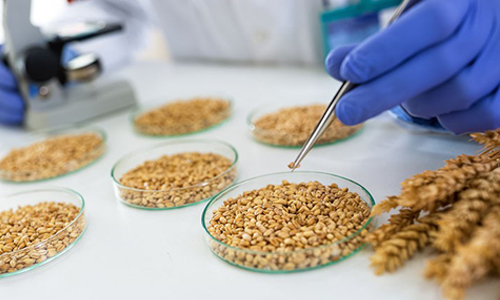
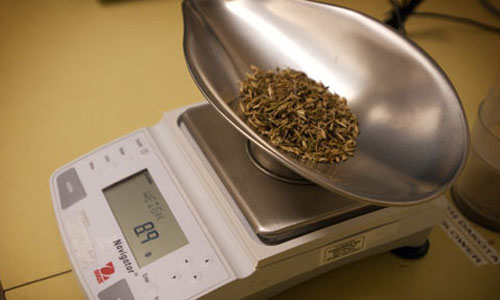
Sowing seeds devoid of weed seed, other crop seeds, other distinct variety (ODV), and inert materials like straw, broken seed, stone, and soil particles is preferred. When farmers cultivate seed with a high level of physical purity, the results are better. Every lot undergoes a physical purity test at each stage to determine the percentage of contaminants in the seed lot. QA suggests further actions to the processing department based on the physical purity assessment.
Seed moisture content affects processing and storage. The most significant element affecting seed viability loss during storage is moisture. Even at room temperature, dried seed is more storable. For seed processing, the moisture content of the seed is also crucial. In order to protect the living embryo, seeds are often treated at a specific moisture content. When the moisture content is either too high or too low, the seed is harmed.
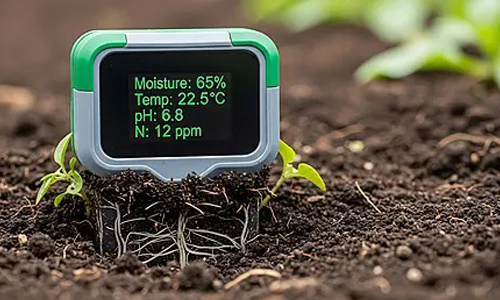

The percentage of seeds that germinate shows how likely they are to grow into seedlings. A pure seed fraction is used to test the germination percentage. Pure living seed content, which is determined by its formula, is the sum of pure seed and germination capacity. The germination test is carried out in different media, such as paper, dirt, and sand, using numerous replications, each of which contains 25, 50, or 100 seeds. The degree of aliveness is a representation of vigor. It shows that seeds can sprout in a variety of field conditions. Seed samples are evaluated under stress to gauge vigor.
Varietal purity is crucial since farmers can only reach a variety's yield potential if it is genetically pure. The traditional in-field "Grow Out Test (GOT)," which takes a lot of time, and the biotech lab test employing "DNA Molecular Marker Technology" (DNA Finger Printing) are used to evaluate varietal genetical purity. Every single lot of seed is examined for genetic purity at Indogrow.

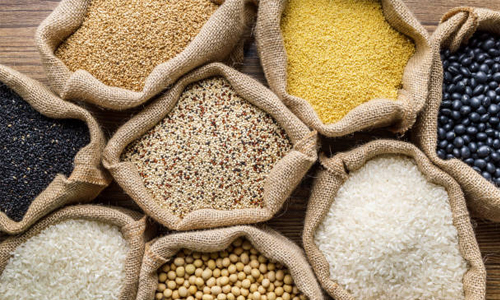
Healthy seed lots are those that are free of illnesses and pests. One of the most sought-after characteristics of a seed lot is a complete stand on the field, which is a result of healthy seed lots. Appropriate chemical controls and proper agronomic techniques can avoid seed-borne illnesses. Infestations are kept under control with appropriate handling and treatments.
Size uniformity is crucial for aesthetic appeal and aids in precision planting and automated sowing. During cleaning and processing, shriveled, undersized, and oversized seeds are eliminated. In addition to aiding in mechanical planting, size uniformity guarantees consistent germination and field emergence and leaves a positive impression on buyers.
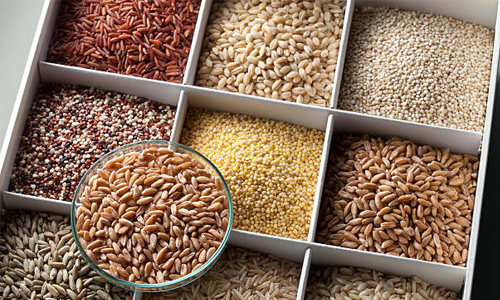
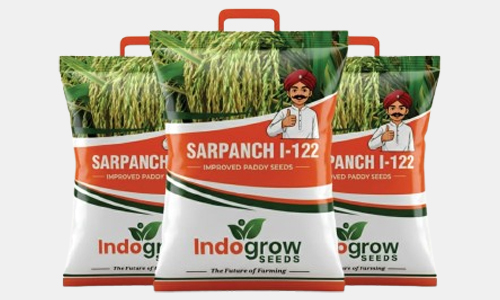
The seed is placed in an appropriate container at the ideal suggested moisture content. The label attached to the packet must include information regarding "identity of seed lot, seed quality parameters, date of test and date of validity, etc." in order to comply with PES regulations.
Flat No. 202, Block No. C, Satellite Township, Petbasheerabad, Jeedimetla, Medchal- Malkajgiri Dist., Hyderabad, Telangana-500067
info@indogrowseeds.com
+91-9392854312

© 2025. All Rights Reserved. Indogrow Seeds Private Limited.
Powered by ComTel India